Lessons
Step-by-step lessons across Reverse Engineering, Malware Analysis, Cloud Security, and more. Each episode pairs with articles, resources, and follow-up MCQ assessments in the 4Q course view.
4 lessons in Research Methodology

Unit 4 of the Research Methodology series, covering the art of academic communication. Topics include features of academic writing (clarity, precision, objectivity), structuring research papers, theses and dissertations, section-by-section guidance (abstract, introduction, methodology, results, conclusion), APA/IEEE/MLA/Chicago referencing styles, ethical paraphrasing and plagiarism avoidance, LaTeX for technical documentation, and visual communication for academic presentations and posters.
The third lecture in the Research Methodology series, covering the Conducting phase of research. Topics include primary vs secondary data, probability and non-probability sampling, correlation, regression and hypothesis testing, descriptive vs inferential statistics, qualitative methods (interviews, surveys, case studies), experimental design, and an overview of SPSS, R, Python, and Jupyter Notebooks.
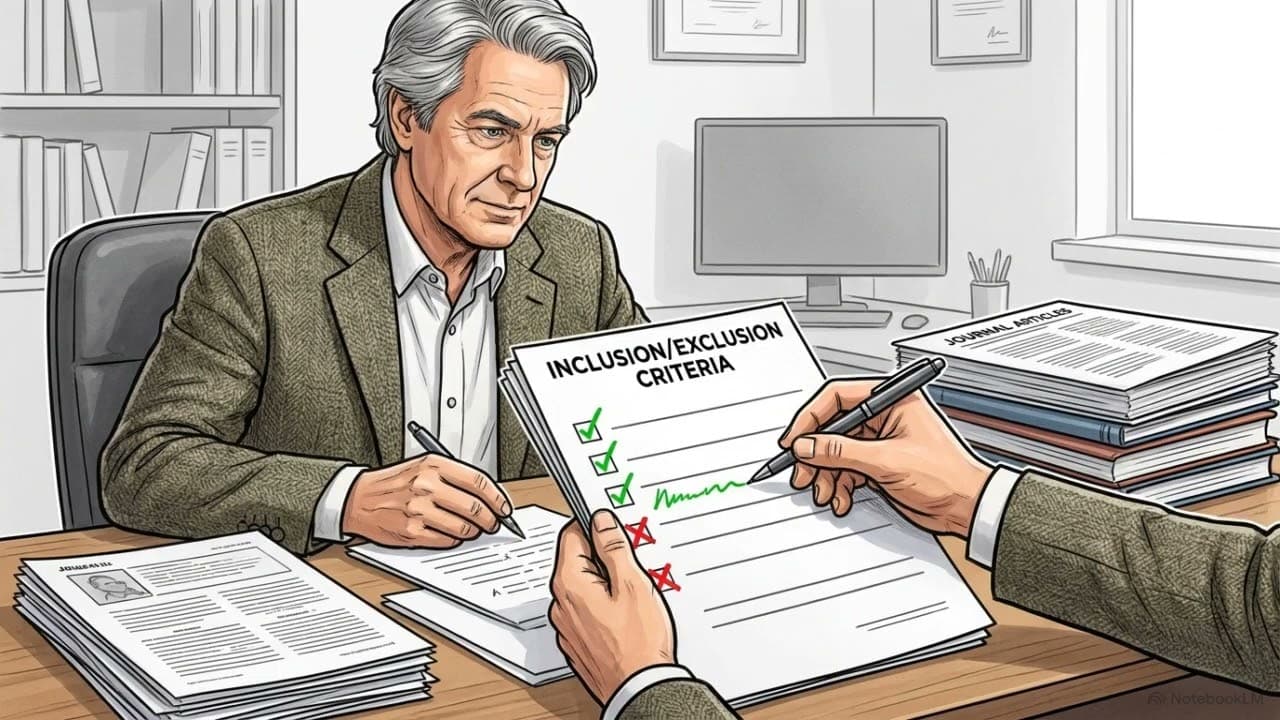
The second lecture in the Research Methodology series. Covers strategic literature reviews and meta-analysis, navigating bibliographic databases (IEEE, ACM, Scopus, Springer), comparing reference management tools (Zotero, Mendeley, EndNote), and the principles of reproducible research.

Welcome to the first lecture in our Research Methodology series. This video covers the foundational concepts defined in Unit 1 of the Research Methodology syllabus. Whether you are a postgraduate student or an emerging researcher, this lecture provides the essential framework for conducting credible and systematic scientific inquiry. In this lecture, we cover: Meaning & Objectives: Moving beyond information gathering to systematic, critical investigation. The Four Pillars of Research: Why we Discover, Verify, Develop, and Predict. Types of Research: Understanding the differences between Fundamental (Pure) and Applied research, and Qualitative vs. Quantitative approaches. The Research Process: A logical, helical journey from identifying a problem to the final publication. Problem Definition: How to use the 5W framework (What, Why, Who, Where, How) to define a researchable problem. Scope & Limitations: Setting boundaries to ensure your study is feasible, credible, and reproducible. About the Channel: This channel is dedicated to academic excellence, providing clear, systematic, and verified content to help researchers and students master the research journey.
