Lessons
Step-by-step lessons across Reverse Engineering, Malware Analysis, Cloud Security, and more. Each episode pairs with articles, resources, and follow-up MCQ assessments in the 4Q course view.
38 lessons across all domains — page 3 of 4

A focused, single-topic walkthrough of process hollowing — the API sequence, the memory state at each step, and how to detect it.
Living off the Land binaries, fileless execution, and the techniques attackers use to disappear into legitimate Windows processes.

Identifying packed binaries, manual unpacking with the ESP breakpoint, IAT reconstruction, and Volatility memory forensics workflow.

How malware injects code into other processes and intercepts function calls. The four major injection techniques and the three layers of API hooking.
The full pipeline from receiving a sample to producing a verdict, covering PE structure, hashes, IAT analysis, sandbox detonation, and persistence checks.

A deeper, more academic exploration of x86 internals, instruction encoding, the EFLAGS register, and the operand model.

A deep-dive masterclass on building resilient cloud security architecture. Covers sentinel patterns, layered defence design, and how to architect systems that detect and contain threats before they propagate across cloud environments.
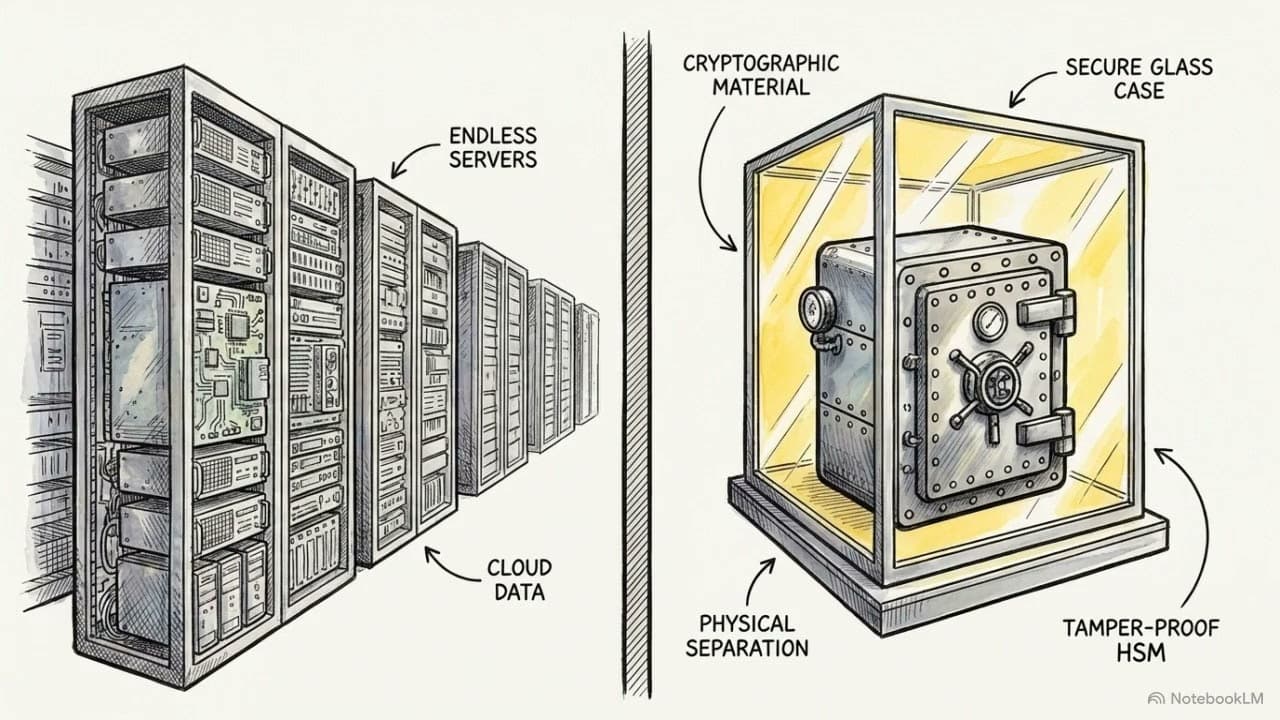
Explores how data persists, moves, and survives across cloud storage systems and the security implications of that persistence. Covers data lifecycle management, encryption at rest and in transit, residual data risks, and data sovereignty.
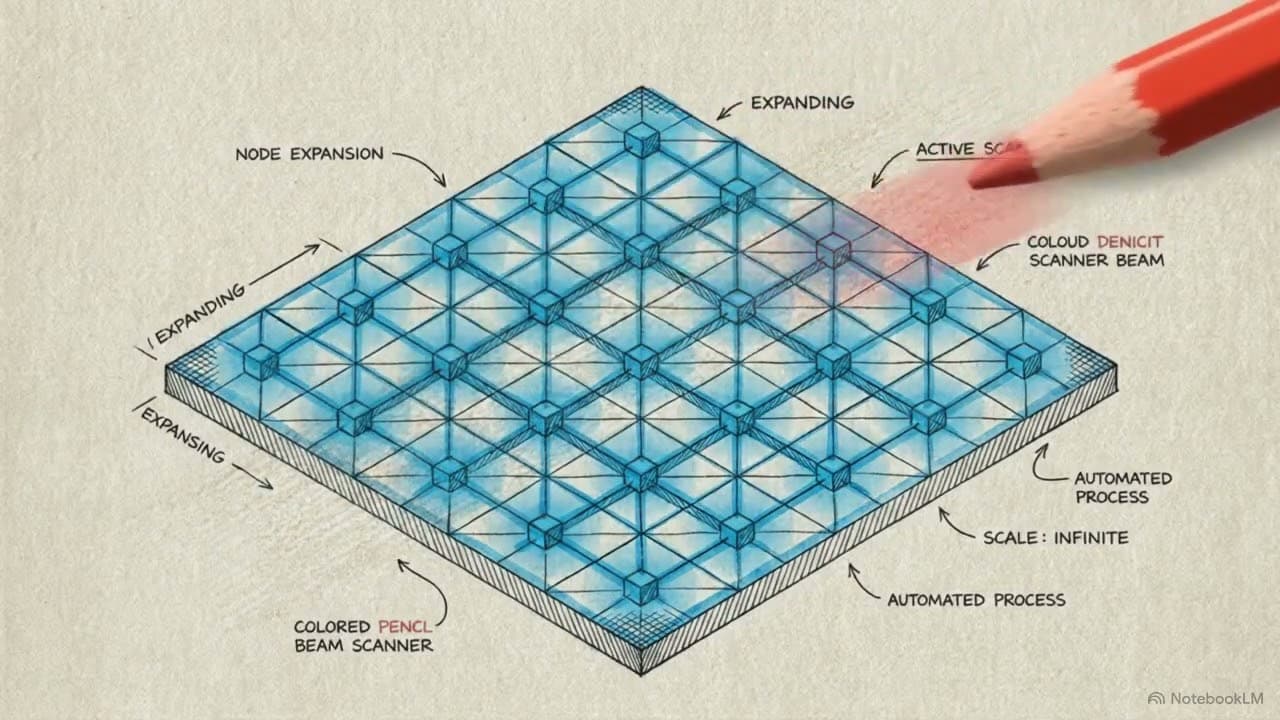
Covers immutable logging strategies, SIEM integration in cloud environments, and how to build automated governance pipelines. Discusses CloudTrail, log tampering prevention, policy-as-code, and continuous compliance automation.
Introduces a dual-vector approach to cloud forensic investigation combining infrastructure telemetry with application-layer evidence. Covers cloud IR workflows, volatile evidence collection, storage forensics, and cross-provider investigation challenges.
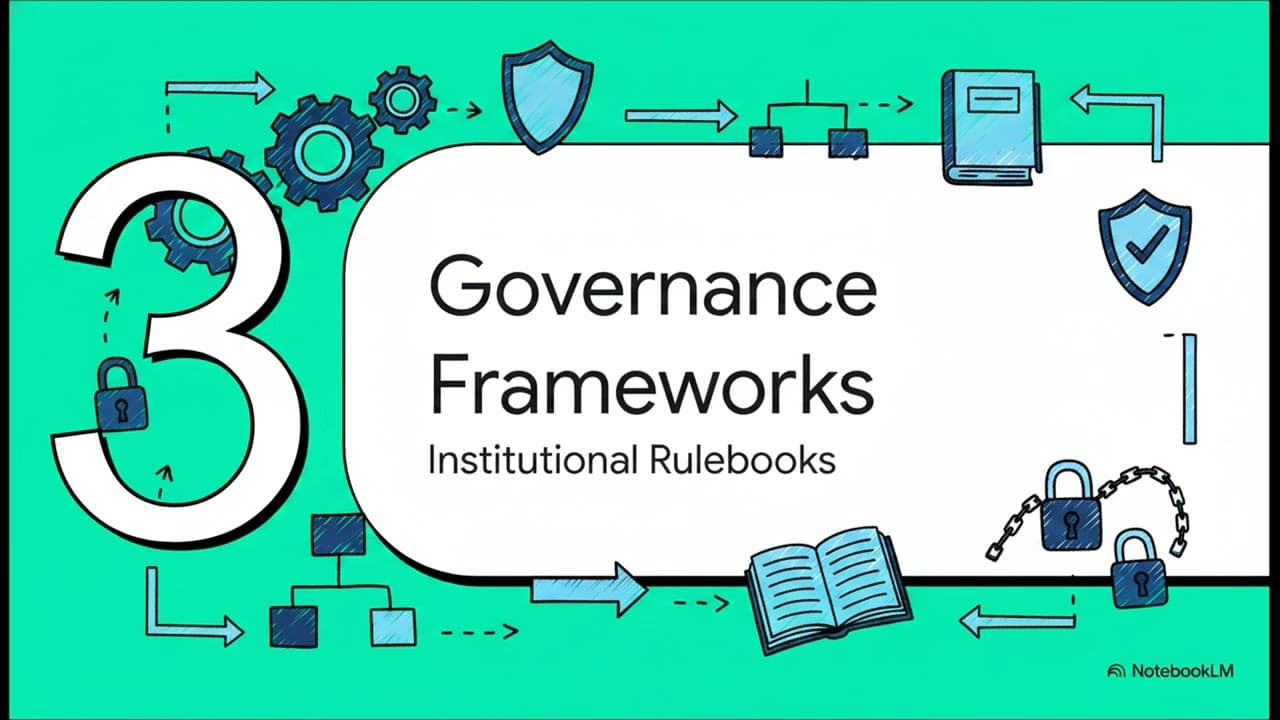
Examines how enterprise organisations structure cloud security using industry frameworks such as CSA CCM, NIST and ISO 27017. Covers control layers, governance models, and how to map security responsibilities across IaaS, PaaS, and SaaS.
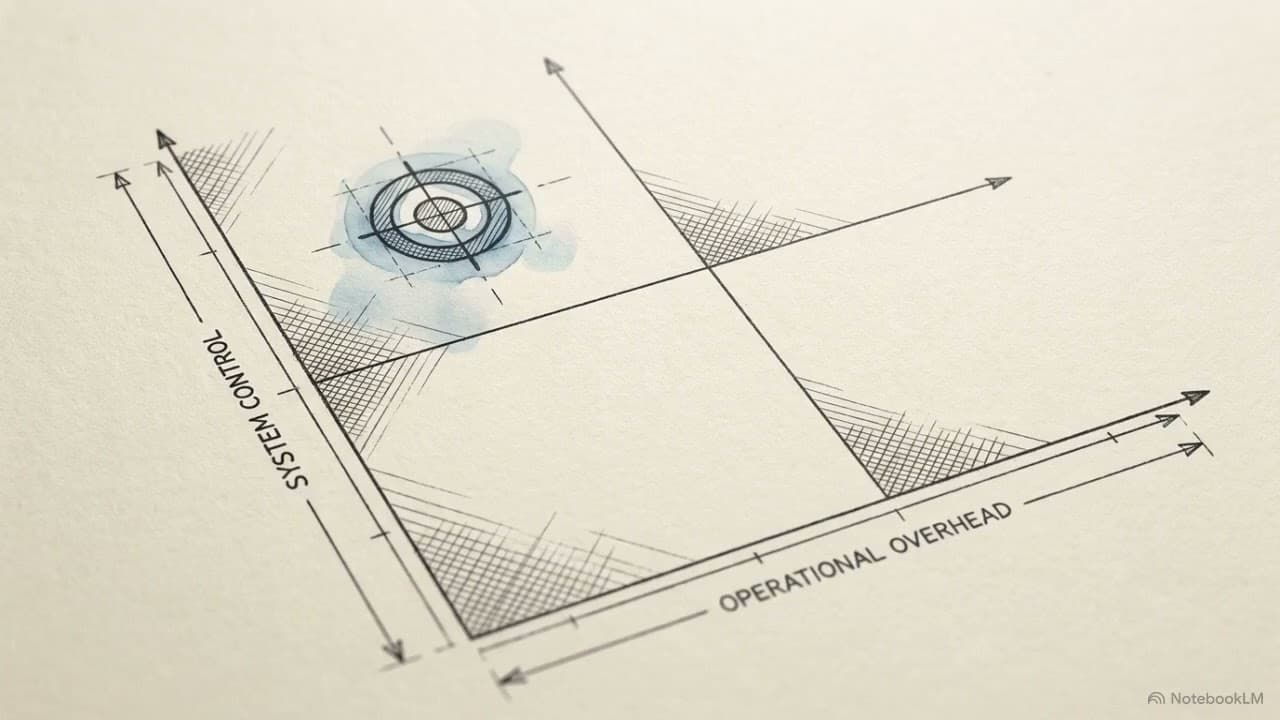
Ground-up cloud architecture — from bare-metal provisioning through IaaS, PaaS, and SaaS to AWS-specific constructs. Covers VPCs, IAM fundamentals, regions, availability zones, and the security implications of each architectural decision.
