Lessons
Step-by-step lessons across Reverse Engineering, Malware Analysis, Cloud Security, and more. Each episode pairs with articles, resources, and follow-up MCQ assessments in the 4Q course view.
37 lessons across all domains — page 1 of 4

The third lecture in the Research Methodology series, covering the Conducting phase of research. Topics include primary vs secondary data, probability and non-probability sampling, correlation, regression and hypothesis testing, descriptive vs inferential statistics, qualitative methods (interviews, surveys, case studies), experimental design, and an overview of SPSS, R, Python, and Jupyter Notebooks.

The second lecture in the Research Methodology series. Covers strategic literature reviews and meta-analysis, navigating bibliographic databases (IEEE, ACM, Scopus, Springer), comparing reference management tools (Zotero, Mendeley, EndNote), and the principles of reproducible research.

Welcome to the first lecture in our Research Methodology series. This video covers the foundational concepts defined in Unit 1 of the Research Methodology syllabus. Whether you are a postgraduate student or an emerging researcher, this lecture provides the essential framework for conducting credible and systematic scientific inquiry. In this lecture, we cover: Meaning & Objectives: Moving beyond information gathering to systematic, critical investigation. The Four Pillars of Research: Why we Discover, Verify, Develop, and Predict. Types of Research: Understanding the differences between Fundamental (Pure) and Applied research, and Qualitative vs. Quantitative approaches. The Research Process: A logical, helical journey from identifying a problem to the final publication. Problem Definition: How to use the 5W framework (What, Why, Who, Where, How) to define a researchable problem. Scope & Limitations: Setting boundaries to ensure your study is feasible, credible, and reproducible. About the Channel: This channel is dedicated to academic excellence, providing clear, systematic, and verified content to help researchers and students master the research journey.
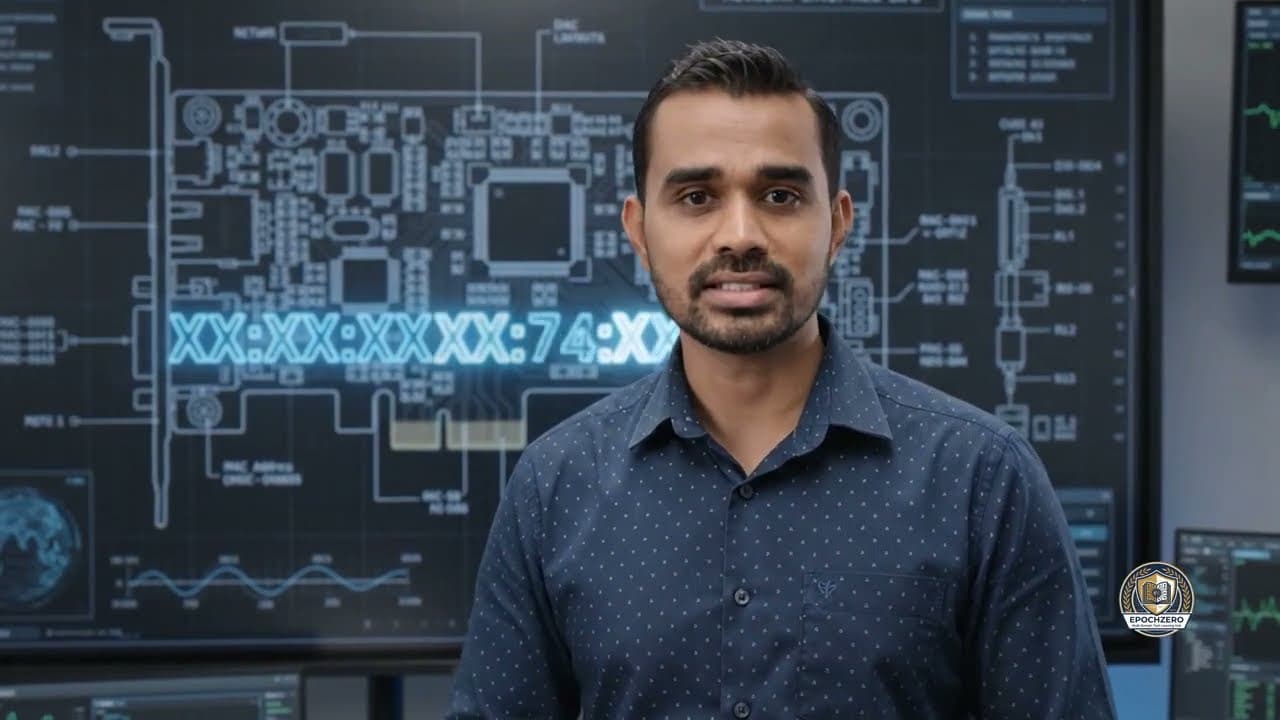
One of the most common anti-analysis techniques — the MAC Address OUI check — and how to bypass it without touching the binary. Alter the .vmx configuration file from the host to spoof a physical MAC address and force the malware to detonate in your sandbox.
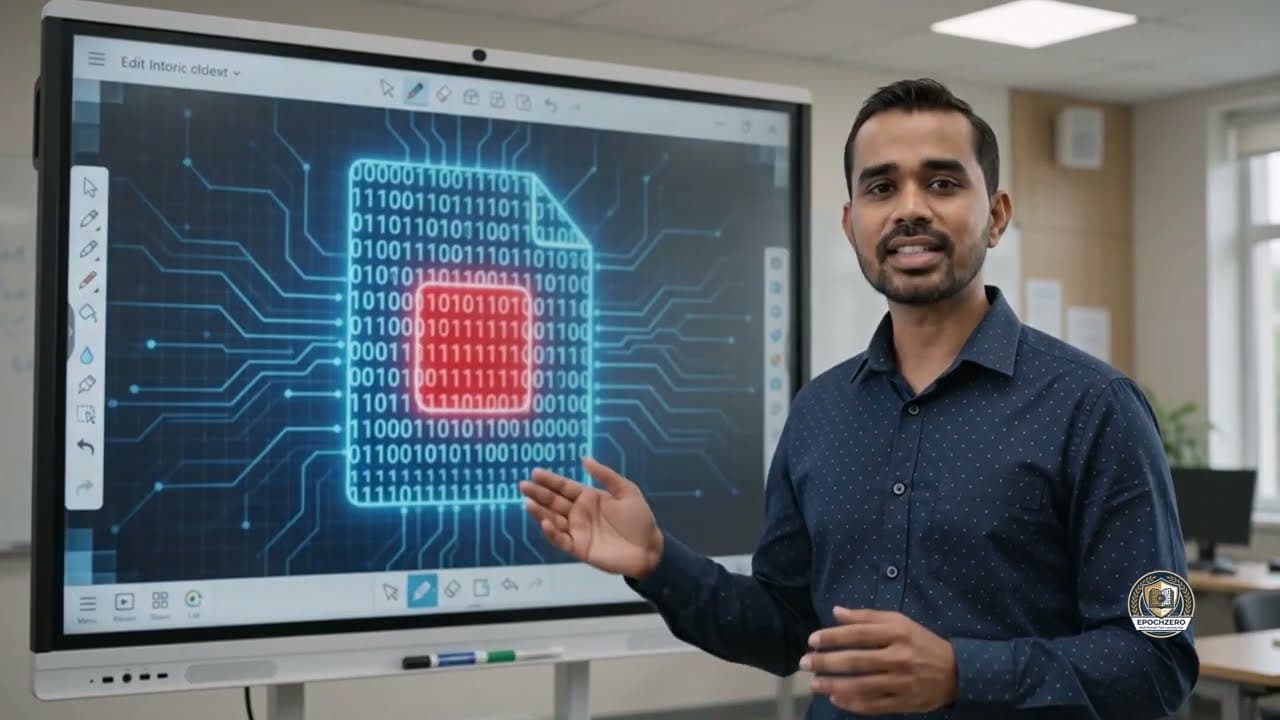
Signature detection is useless against code that shifts shape. How a mutation engine alters variable names and registers to change the file signature while leaving the malicious payload identical — and how modern behavioral sandbox analysis catches it.
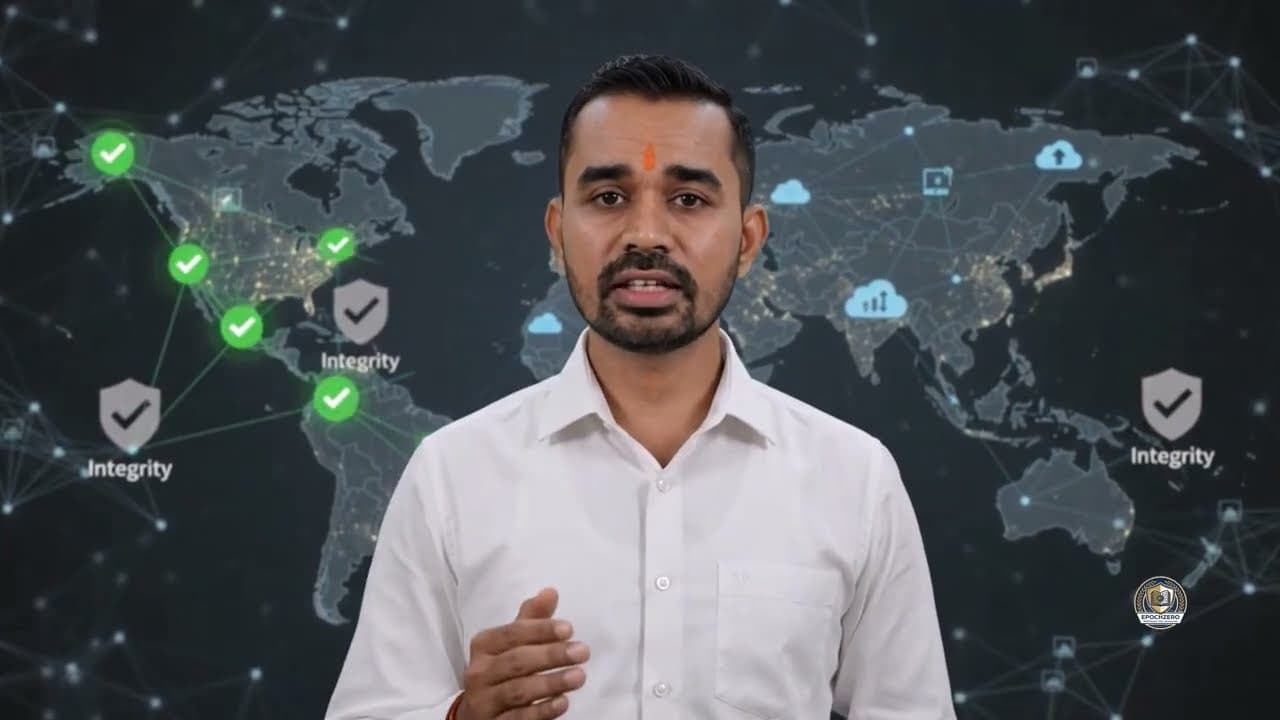
How CSMV provides continuous cloud monitoring, vulnerability assessment, and automated threat response. Covers real-time visibility, proactive assessment, rapid remediation, and risk reduction as the pulse of a comprehensive cloud security strategy.
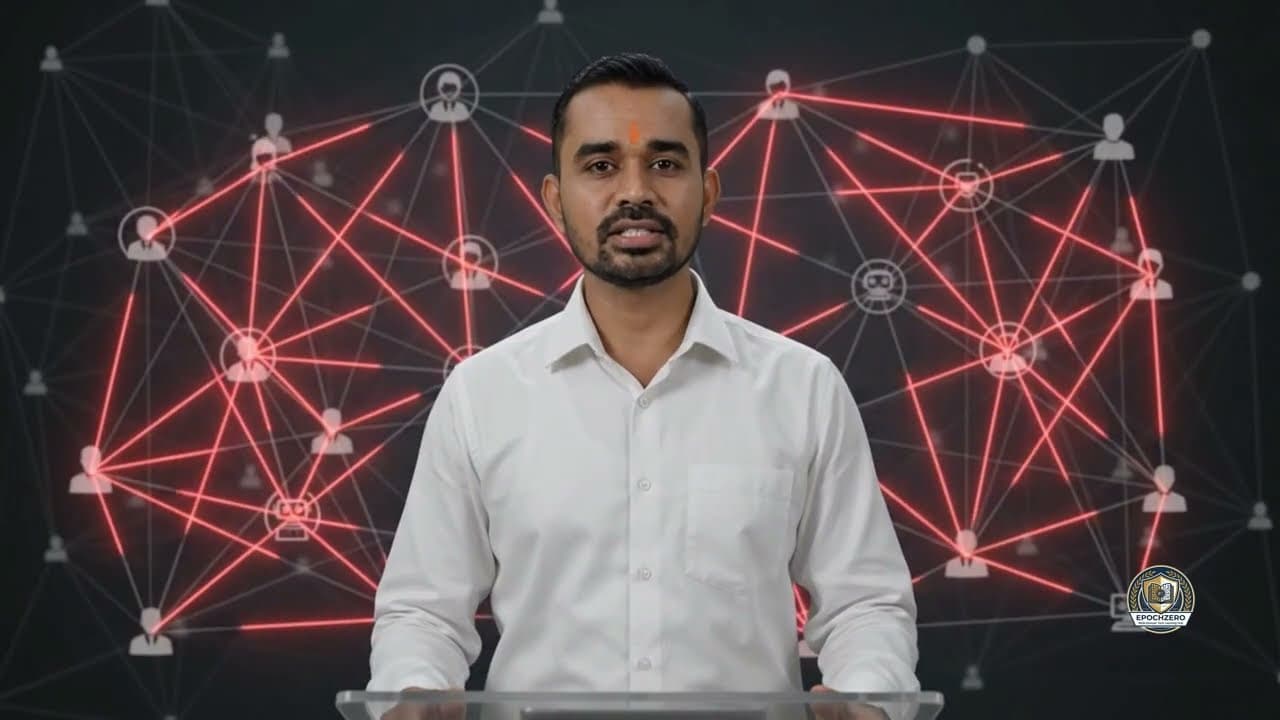
Eliminating Privilege Creep in complex multi-cloud environments. Rightsizing entitlements, automating the Principle of Least Privilege for human and machine identities, securing API keys and service accounts, and achieving continuous audit-ready compliance.
Runtime security for VMs, containers, and serverless functions. Monitoring system calls for anomalous behaviour, fixing flaws in CI/CD before production, and drift detection to revert unauthorized configuration changes automatically.
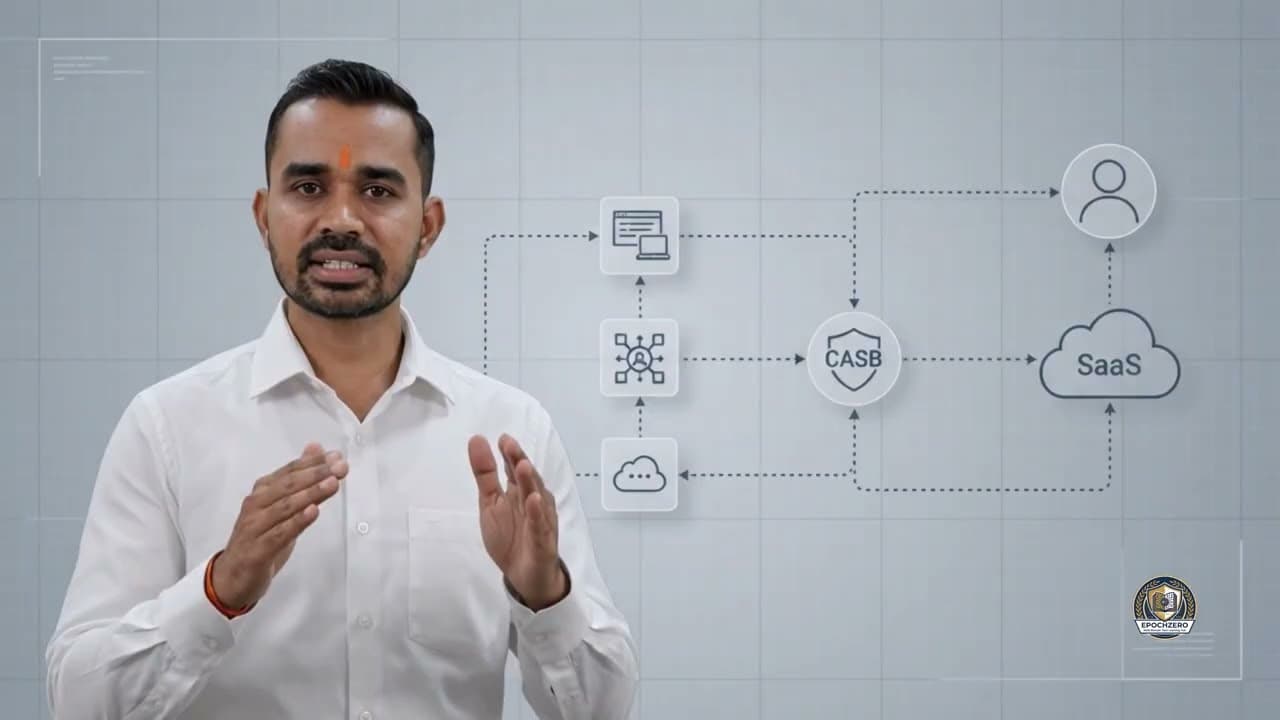
Shadow IT and unauthorized data movement as critical blind spots. The four CASB pillars: regaining Shadow IT visibility, Data Loss Prevention, identity-centric security extending IAM to every SaaS platform, and behavioral threat detection for insider threats.
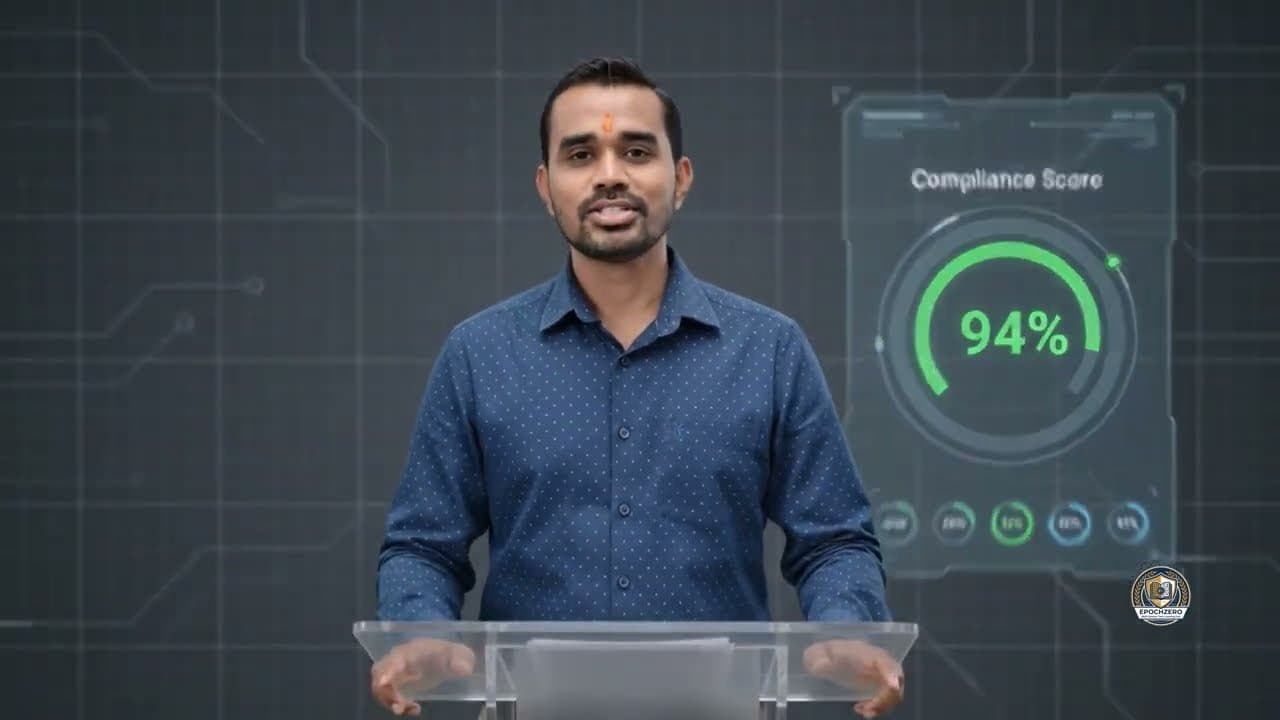
Continuous visibility, automated compliance, and proactive remediation across AWS, Azure, and GCP. How CSPM maps assets against NIST and CIS benchmarks in real-time, catches open S3 buckets and permissive IAM roles, and prioritizes high-impact vulnerabilities.
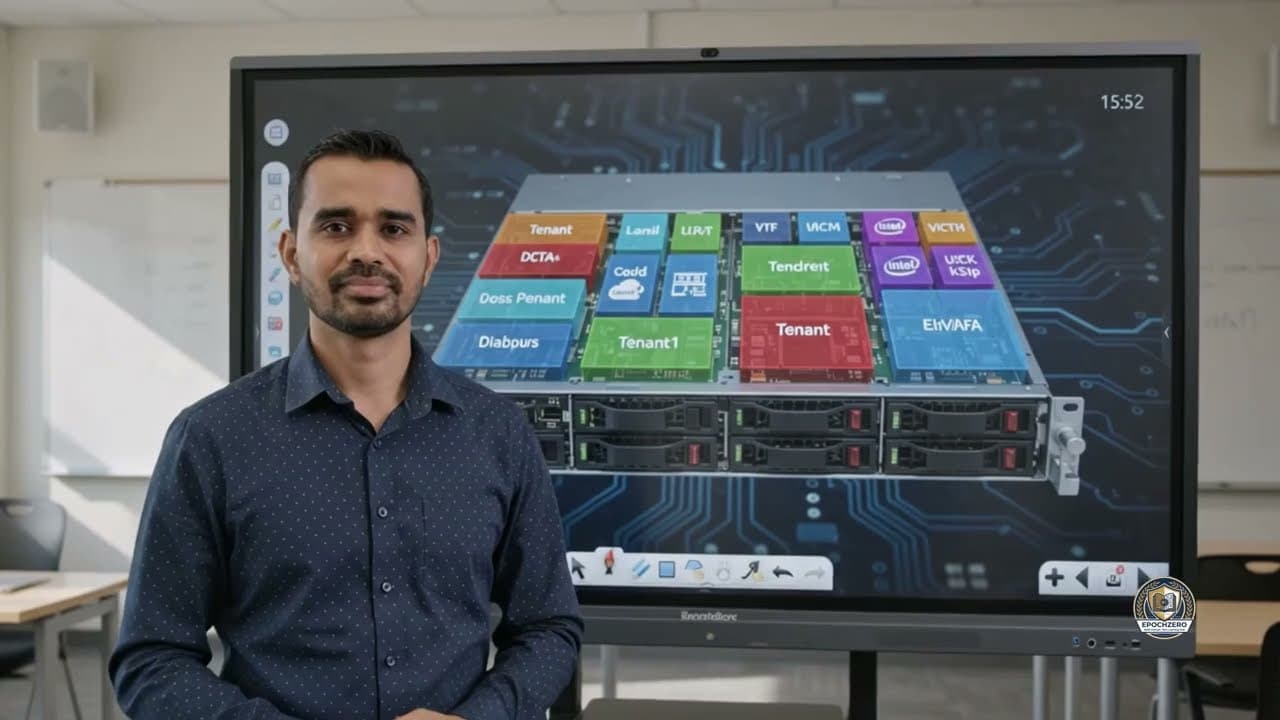
Cross-tenant Side-Channel Attacks that bypass logical isolation. How the Spectre vulnerability exploited CPU speculative execution to leak data across VM boundaries — and why hardware microcode patches and single-tenant bare-metal instances are the ultimate defence.
Masterclass Ep. 8 — Units 4 & 6: The dual-vector investigation framework — combining network-layer evidence (VPC Flow Logs, CloudTrail) with endpoint-layer evidence (memory, disk snapshots) for complete cloud incident reconstruction.
